Maintenance Considerations for Fully Automatic Scissor Lifts
Some Issues Regarding the Maintenance of Fully Automatic Scissor Aerial Work Platforms
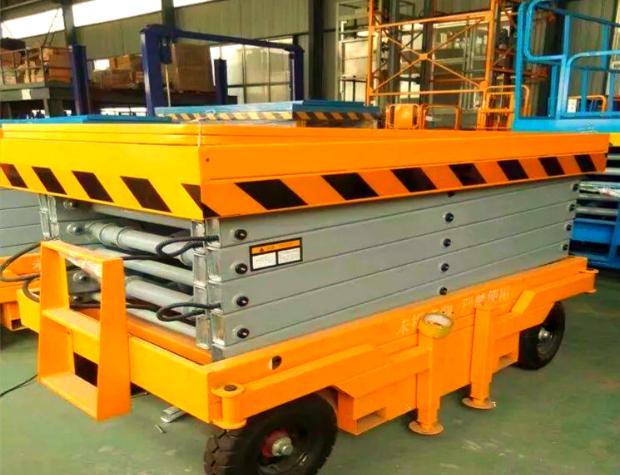
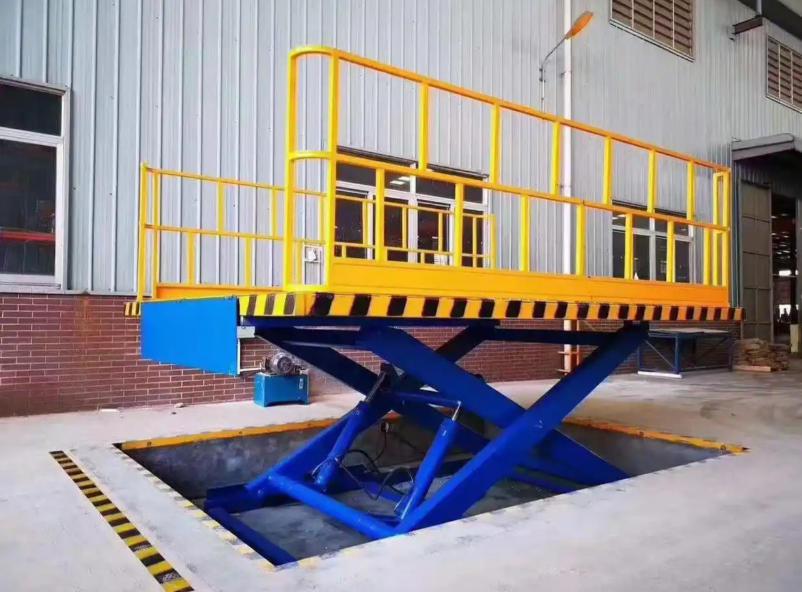
As a widely used large‑scale labor‑saving device, the fully automatic scissor aerial work platform plays a significant role in various fields and brings great convenience to people's lives and production. So, how should we maintain a fully automatic scissor aerial work platform in daily use? First of all, attention should be paid to monthly maintenance.
When performing platform maintenance, be sure to pay attention to personnel safety. Monthly maintenance includes the following aspects: check the wear degree and lubrication condition of mechanical contact parts such as rollers, bearings, and intermediate shafts to see if they affect normal operation. If wear is severe, replace the parts to maintain mechanical stability.
In addition, regular lubrication of components with oil not only helps the machine operate flexibly and normally, but also extends the service life of parts, avoids work interruptions, and saves costs. Also, check the hydraulic oil level and oil quality in the machine, as well as the hydraulic system of the lifting platform. Generally, 32# hydraulic oil is used. Proper oil use is also an important way to protect the machine. When the hydraulic lift platform reaches its maximum height, the hydraulic oil level should be 40–50 mm above the bottom of the oil tank. Moreover, when the oil color darkens, the oil contains debris, or other abnormalities appear, replace the hydraulic oil in time to ensure normal use and daily maintenance of the machine.
What harm does oil cause to a fully automatic scissor aerial work platform?
Hydraulic oil is the working medium of the platform, performing functions such as system lubrication, energy transmission, anti‑corrosion, rust prevention, and cooling. The quality of hydraulic oil seriously affects the working reliability and service life of the platform’s hydraulic system. Here are several aspects illustrating the impact of inferior hydraulic oil on the platform.
Viscosity is an important indicator of hydraulic oil for a fully automatic scissor aerial work platform. Proper viscosity and good viscosity‑temperature characteristics allow accurate and sensitive power transmission under changing operating temperatures, ensuring normal lubrication of hydraulic components. If the viscosity is too low, the hydraulic system is prone to leakage and cannot work properly. If the viscosity is too high, power transmission efficiency decreases, the flow rate of hydraulic oil slows down, the oil pump output is reduced, and the lifting speed of the platform decreases.
Inferior hydraulic oil has a cloudy color, high viscosity, many impurities, high water content, and lacks necessary chemical additives. Good hydraulic oil is colorless and odorless, containing anti‑wear additives that reduce wear on the hydraulic system, especially the hydraulic pump, thereby extending the life of the hydraulic lift platform.
Inferior hydraulic oil for fully automatic scissor aerial work platforms has a high water content, which easily causes rust or metal corrosion, leads to oil emulsification, significantly reduces lubricity, accelerates aging of the hydraulic system, and shortens the life of the hydraulic lift platform. Good hydraulic oil has good rust resistance and oxidation stability, making it difficult to oxidize and deteriorate under high‑temperature and high‑pressure conditions, thus providing a long service life.