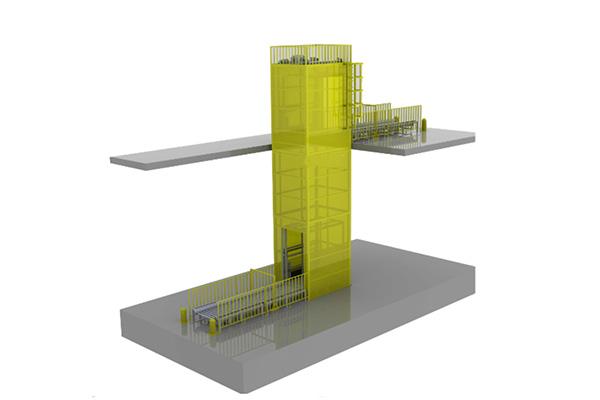
Reciprocating lifting platform
Main Features:This type of lift features advanced control, reliable performance, and high positioning accuracy of the lifting carriage. It is widely used in automated production industries such as hom...
Main Features:
This type of lift features advanced control, reliable performance, and high positioning accuracy of the lifting carriage. It is widely used in automated production industries such as home appliances, food, beverages, tobacco, postal services, chemicals, mechanical electronics, warehousing and logistics.
Product Performance:
1. According to the direction of the inlet/outlet conveyor, reciprocating lifts can be classified as Z‑type, C‑type, or E‑type;
2. Lifting speed: <60m/min (chain‑driven);
3. Lifting stroke: 0‑20m;
4. Maximum conveying cycle: >15s/piece (depending on stroke);
5. Load capacity: <4000Kg;
6. Automated operation with multiple safety devices to ensure greater safety for personnel and goods;
7. Material can be conveyed during both upward and downward strokes of the lifting carriage, allowing bi‑directional material flow in one carriage cycle;
8. Wide lifting stroke range, but the conveying capacity per unit time decreases as the stroke increases;
9. Reciprocating lifts use the vertical reciprocating motion of the carriage to transport materials. Different types of conveying equipment can be mounted on the carriage and coordinated with the inlet/outlet conveyors to fully automate the conveying process, thereby improving production efficiency;
10. Reciprocating lifts come in various types (fixed or mobile) and offer flexible layout; materials can enter/exit the lift from all directions, facilitating production equipment arrangement;
11. They save space compared to inclined lifts, but the conveying capacity is lower than that of inclined lifts;
12. Types of materials conveyed: cartons, pallets, boards;
13. Can be designed and manufactured according to customer requirements.
Related Products
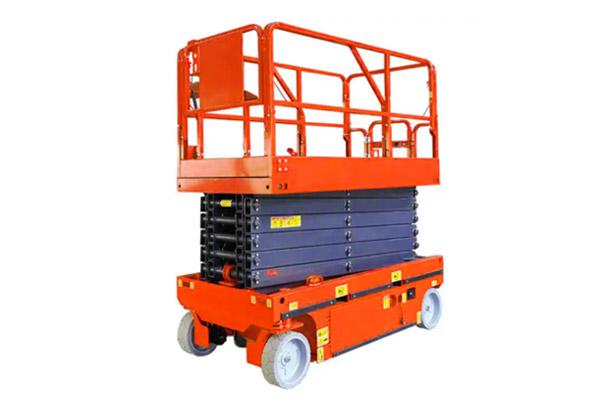
Fully Automatic Scissor Lift
Rated load:230-500kg
Platform height:6-14m
Working height:8-16m
Power supply:battery
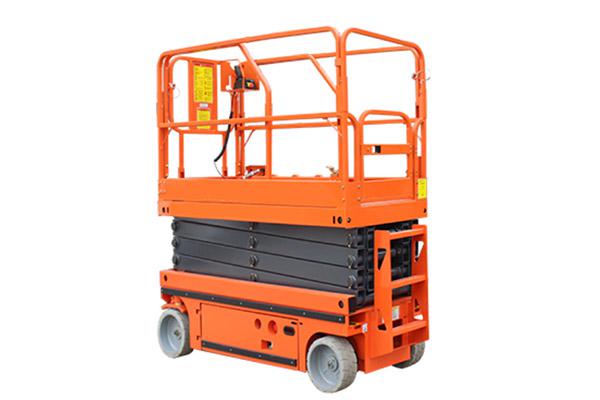
Fully Electric Scissor Lift
Rated load:300kg
Platform height:6-8m
Working height:8-10m
Power supply:battery
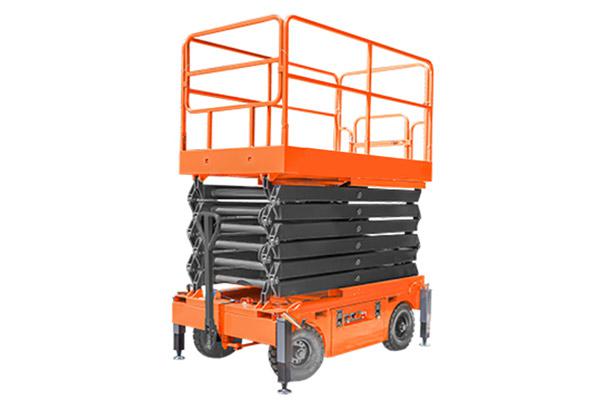
Mobile Scissor Lift
Rated load:300-500kg
Platform height:7-14m
Working height:9-16m
Voltage:48V
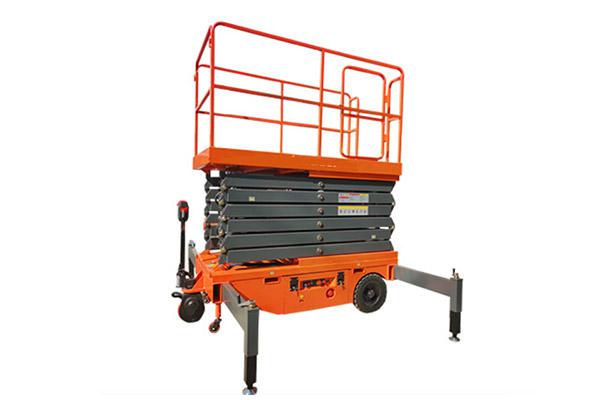
Power-assisted scissor lift
Rated load:300-1000kg
Platform height:4-18m
Working height:6-20m
Voltage:220/380v
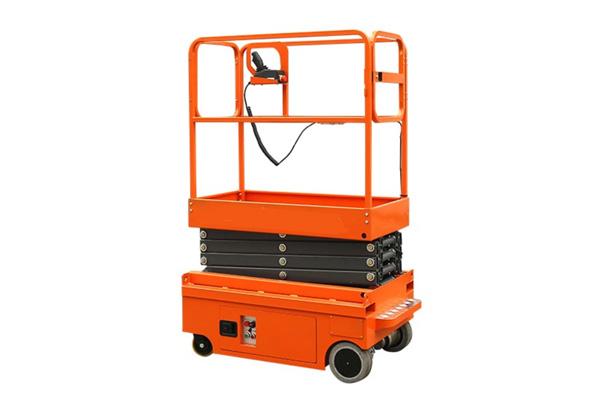
Compact all-electric scissor aerial platform (electric drive)
Rated load:300kg
Platform height:3-4.8m
Working height:5-6.5m
Power supply:battery
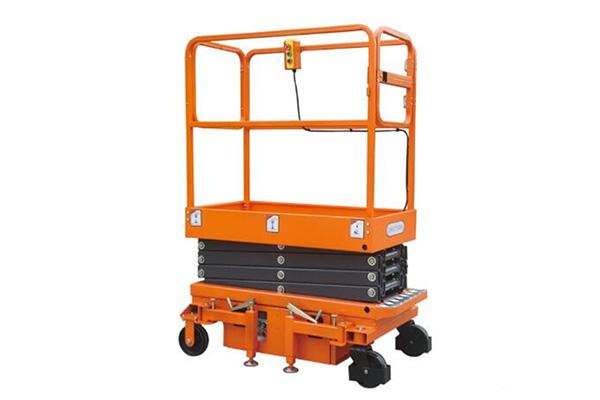
Mini all-electric scissor aerial work platform
Rated load:300kg
Platform height:3-3.9m
Working height:5-5.9m
Battery:12v/100Ah
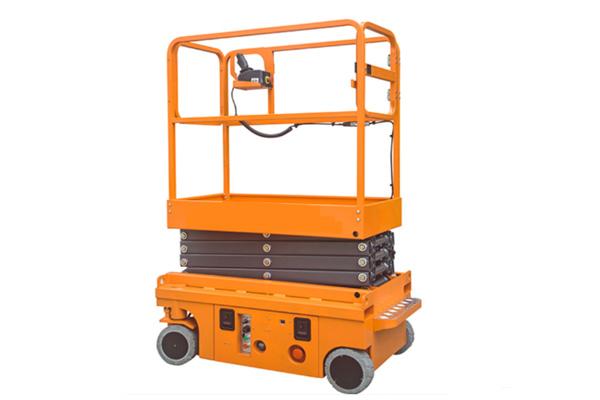
Small fully automatic scissor lift (hydraulic drive)
额定载荷:300kg
平台高度:3-3.9m
工作高度:5-5.9m
蓄电池: 12v/100Ah
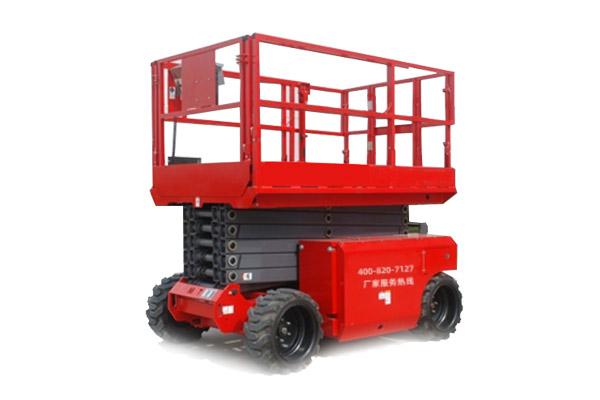
Rough terrain scissor lift
额定载重:350-570kg
平台高度:8-12m
工作高度:10-14m
延伸作业:1.5m